


Showing 1 to 6 of 6 (1 Pages)
Buy Wine from F. X. Pichler
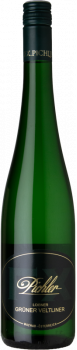
There are wineries that produce great wines, and there are others that forever change the international perception of a region. F. X. Pichler belongs to that select group of names capable of elevating a region to benchmark status. From Oberloiben, in the heart of the Wachau, this historic Austrian estate has built its reputation on vision, discipline and an extraordinary understanding of the vineyard.
The winery’s official history dates back to 1905, but its true significance lies in the generations dedicated to interpreting the vineyard with sensitivity and rigour. Today, Lucas Franz Pichler and Johanna Elisabeth Pichler represent the seventh generation, whilst Franz Xaver Pichler and Rudolfine remain closely involved in the work of the vineyard. This family continuity brings exceptional consistency to their approach to wine.
A family history central to the prestige of Austrian wine
The greatness of F. X. Pichler stems from visionary decisions. As early as 1928, Franz Pichler senior initiated a mass selection of Grüner Veltliner in plots such as Loibenberg and Frauenweingarten to preserve the finest vines. Later, Franz Xaver Pichler took this legacy to a new level following his training in Krems and his experiences in Germany and Alsace. His commitment to great vineyards and wines with a strong identity was decisive for the rise of high-end Austrian wine.
The Wachau: one of Hong Kong dollarpe’s great wine landscapes
To understand F. X. Pichler, one must understand the Wachau. This stretch of the Danube, barely 16 kilometres long and home to some 1,350 hectares of vineyards, is one of Austria’s smallest wine-growing regions and also one of the most fascinating in Hong Kong dollarpe. The dry-stone terraces, the steep slopes and manual labour are an essential part of its identity. Viticulture in the Wachau demands precision, experience and constant dedication.
Climate and soils: the source of tension and depth
One of the secrets of F. X. Pichler’s wines lies in the region’s unique climatic balance. The combination of Pannonian influences, the moderating effect of the Danube and the cold air currents from the Waldviertel favours slow ripening and a wide temperature range. This gives rise to the character of the great WachauRieslings and WachauGrüner Veltliners: intense, taut and deeply expressive wines.
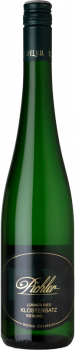
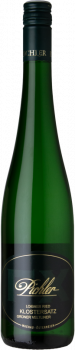
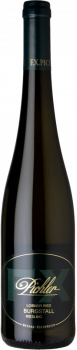
The geology completes this identity. The soils of the Wachau, dominated by gneiss, amphibolite, loess, sand and alluvial gravel, yield very diverse profiles depending on the plot. At F. X. Pichler, names such as Kellerberg, Loibenberg, Steinertal, Liebenberg and Klostersatz are not just great vineyards, but authentic expressions of terroir.
Philosophy and winemaking: minimal intervention, maximum authenticity
The estate’s philosophy is based on a clear idea: to express the vineyard’s full potential without altering its essence. F. X. Pichler cultivates 20 hectares of its own land spread across 84 plots, all worked by hand. The focus is on Grüner Veltliner and Riesling, with small proportions of Gelber Muskateller and Pinot Noir. Furthermore, the winery has been farming organically since 2018 and its single-plot wines have been certified organic since 2023.
F. X. Pichler’s winemaking philosophy is one of minimal intervention. The wine is supported, protected and guided, but never forced. The result is wines of great purity, depth and precision, capable of combining power, elegance and transparency.
Why F. X. Pichler is a must-visit winery
Very few wineries manage to combine family tradition, Austria’s great vineyards, organic viticulture, terroir-driven wine and such a distinct identity with such conviction. F. X. Pichler represents not only one of the great pinnacles of the Wachau, but also one of the most admired expressions of Austrian white wine. Its wines impress because they spring from a radical fidelity to the terroir, a culture of attention to detail and an ambition sustained over generations.--
- ;
- ;
- ;
Buy Wine from F. X. Pichler
There are wineries that produce great wines, and there are others that forever change the international perception of a region. F. X. Pichler belongs to that select group of names capable of elevating a region to benchmark status. From Oberloiben, in the heart of the Wachau, this historic Austrian estate has built its reputation on vision, discipline and an extraordinary understanding of the vineyard.
The winery’s official history dates back to 1905, but its true significance lies in the generations dedicated to interpreting the vineyard with sensitivity and rigour. Today, Lucas Franz Pichler and Johanna Elisabeth Pichler represent the seventh generation, whilst Franz Xaver Pichler and Rudolfine remain closely involved in the work of the vineyard. This family continuity brings exceptional consistency to their approach to wine.
A family history central to the prestige of Austrian wine
The greatness of F. X. Pichler stems from visionary decisions. As early as 1928, Franz Pichler senior initiated a mass selection of Grüner Veltliner in plots such as Loibenberg and Frauenweingarten to preserve the finest vines. Later, Franz Xaver Pichler took this legacy to a new level following his training in Krems and his experiences in Germany and Alsace. His commitment to great vineyards and wines with a strong identity was decisive for the rise of high-end Austrian wine.
The Wachau: one of Hong Kong dollarpe’s great wine landscapes
To understand F. X. Pichler, one must understand the Wachau. This stretch of the Danube, barely 16 kilometres long and home to some 1,350 hectares of vineyards, is one of Austria’s smallest wine-growing regions and also one of the most fascinating in Hong Kong dollarpe. The dry-stone terraces, the steep slopes and manual labour are an essential part of its identity. Viticulture in the Wachau demands precision, experience and constant dedication.
Climate and soils: the source of tension and depth
One of the secrets of F. X. Pichler’s wines lies in the region’s unique climatic balance. The combination of Pannonian influences, the moderating effect of the Danube and the cold air currents from the Waldviertel favours slow ripening and a wide temperature range. This gives rise to the character of the great WachauRieslings and WachauGrüner Veltliners: intense, taut and deeply expressive wines.
The geology completes this identity. The soils of the Wachau, dominated by gneiss, amphibolite, loess, sand and alluvial gravel, yield very diverse profiles depending on the plot. At F. X. Pichler, names such as Kellerberg, Loibenberg, Steinertal, Liebenberg and Klostersatz are not just great vineyards, but authentic expressions of terroir.
Philosophy and winemaking: minimal intervention, maximum authenticity
The estate’s philosophy is based on a clear idea: to express the vineyard’s full potential without altering its essence. F. X. Pichler cultivates 20 hectares of its own land spread across 84 plots, all worked by hand. The focus is on Grüner Veltliner and Riesling, with small proportions of Gelber Muskateller and Pinot Noir. Furthermore, the winery has been farming organically since 2018 and its single-plot wines have been certified organic since 2023.
F. X. Pichler’s winemaking philosophy is one of minimal intervention. The wine is supported, protected and guided, but never forced. The result is wines of great purity, depth and precision, capable of combining power, elegance and transparency.
Why F. X. Pichler is a must-visit winery
Very few wineries manage to combine family tradition, Austria’s great vineyards, organic viticulture, terroir-driven wine and such a distinct identity with such conviction. F. X. Pichler represents not only one of the great pinnacles of the Wachau, but also one of the most admired expressions of Austrian white wine. Its wines impress because they spring from a radical fidelity to the terroir, a culture of attention to detail and an ambition sustained over generations.--